
Introduction
From the rolling sands of the Sahara to established Berber camps and camel caravans, each moment presents an exact hope. However, desert photography suggests singular challenges such as offensive light, shifting soil, and extreme heat changes.
This guide will help you capture marvelous, professional-quality representations all along your Morocco desert adventure.
Understanding Desert Light for Better Shots
Light is the last main aspect in desert photography. The Sahara Desert tours from Marrakech offer some of the most alive lighting atmospheres in the world, but knowing when and by what method to shoot makes all the difference.
1. Golden Hour Magic
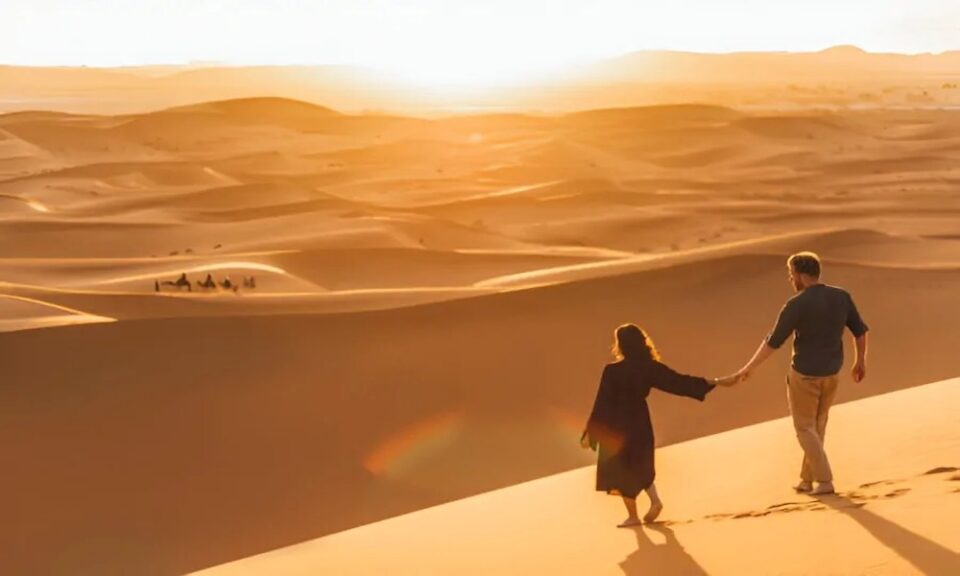
The period after sunrise and before sunset is ultimate main opportunity for desert photography. The reduced-angle sunlight casts long shadows across the dunes, emphasizing their curves and feelings. This is when the desert transforms into a glowing stretch of golden light, perfect for moving landscape shots.
2. Harsh Midday Sun
Midday light in the desert may be intensely passionate, frequently resulting in overexposed concepts and flat makeups. If you must shoot earlier, focus on extreme-contrast arrangements like camel silhouettes or picture textures of soil patterns.
3. Blue Hour Atmosphere
Just before sunrise and after sundown, the desert is opposed by a cool blue substance. This is ideal for capturing tents, campfires, and early morning camel caravans, following a calm and moody fascination.
Essential Photography Gear for Desert Tours
Carrying the right supplies can form or break your desert photography experience. Sand, wind, and heat require careful preparation.
1. Camera following Manual Settings
This is essential for adapting to changing desert light environments.
2. Telephoto Lens
Useful for catching distant issues like camel caravans or disconnecting patterns in the dunes. It also helps condense perspective for alluring effects.
3. Protective Gear
Use a sand-proof photographic equipment bag and lens filters to protect supplies. A microfiber cloth is essential for cleansing dust off glasses.
4. Extra Batteries and Memory Cards
Extreme hotness drain batteries faster, so continually accomplish backups. Desert tours repeatedly last for long hours away from charging points.
Composition Tips for Stunning Desert Photography
Great desert photography is not nearly equipment-it’s about by way of what you frame the scene.
1. Use Leading Lines in the Sand
The unmoved curves of dunes are a part of leading lines that guide the viewer’s eye through the image. Position your subject near these curves to construct insight and drive.
2. Include Human or Animal Elements
Adding a camel, adventurer, or guide helps emphasize scale. Without these additives, dunes can sometimes act flat or lack perspective.
3. Play with Minimalism
The desert is instinctively minimalistic. Use space creatively to climax solitude, clearness, and immensity.
4. Capture Shadows and Textures
Early morning and evening shadows disclose elaborate sand impressions. Shooting from a low angle increases these patterns.
5. Frame the Sky and Horizon
Don’t forget to include exciting skies. An equalized arrangement between soil and sky can organize powerful educational figures.
Best Subjects to Photograph in Morocco Desert Tours
The Moroccan desert is rich in optical storytelling. Knowing what to focus on will help you plan better shots.
1. Camel Caravans
One of the fundamental iconic matters. Capture them in outline all along sunset or begin across dunes for a dynamic description.
2. Berber Camps
Traditional tents, lanterns, and cultural studies create intimate and climatic images, especially at night or around food.
Conclusion
A Morocco desert tour offers individual of ultimate visibly beautiful photography knowledge in the experience. Contact your nearest travel agency now.
